Best Greyhound Betting Sites – Bet on Greyhounds in 2026
Loading...
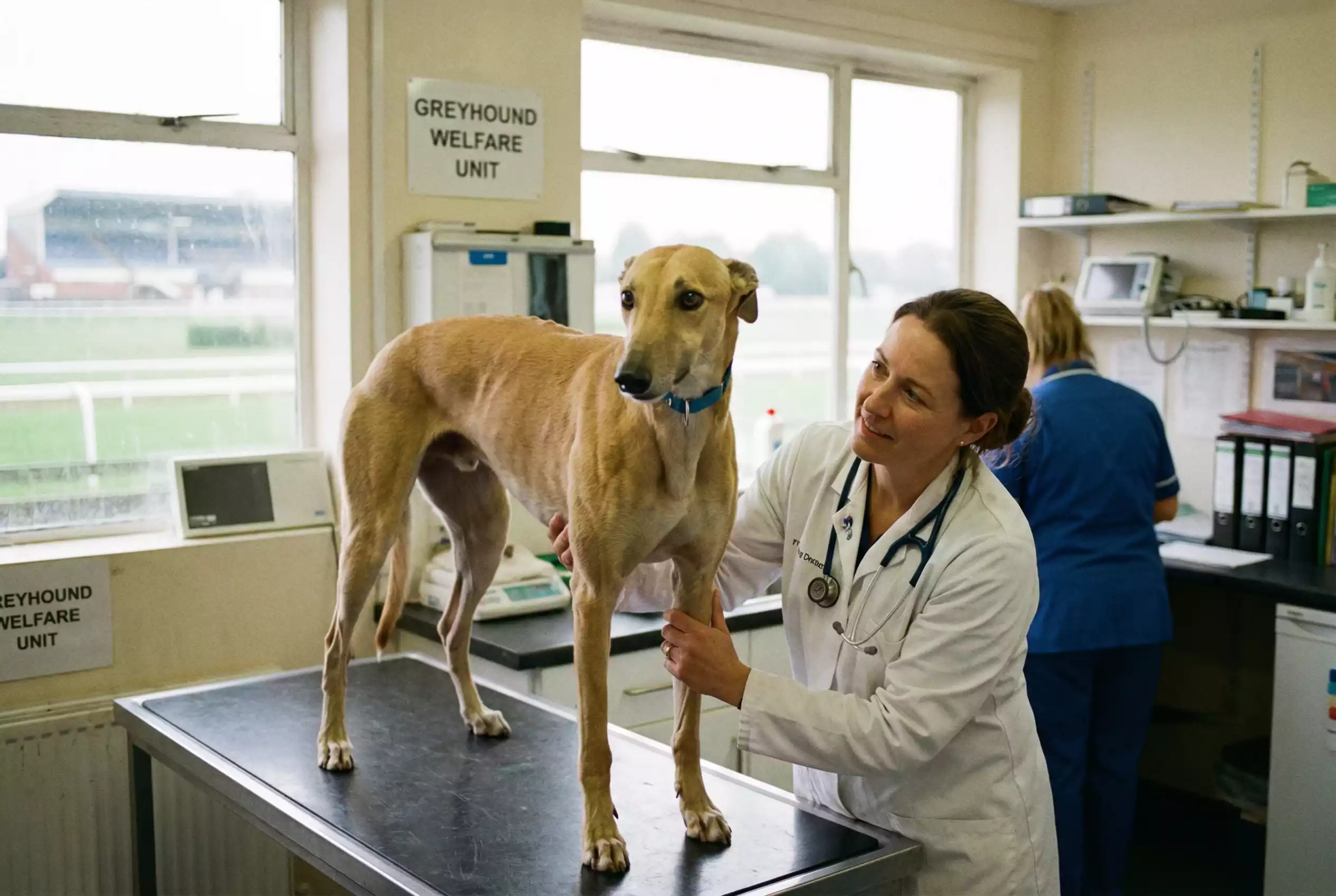
Greyhound racing carries inherent risk. Dogs running at 40 miles per hour around tight bends, jostling for position at the first corner, occasionally collide. Injuries happen. The question is not whether the sport can eliminate risk entirely—it cannot—but whether it manages risk responsibly and transparently.
The answer lies in data. Safety in numbers, and the numbers are improving. GBGB publishes annual injury and fatality statistics that allow scrutiny from regulators, welfare organisations, and the public. Track maintenance standards, veterinary protocols, and retirement schemes all contribute to a welfare infrastructure that has measurably reduced harm over the past decade. This article examines the current state of greyhound racing safety in the UK, grounded in verifiable figures rather than assertion.
Current Safety Statistics
The most recent comprehensive data comes from GBGB’s 2024 Injury and Retirement Report. Across 355,682 races at licensed tracks, the injury rate stood at 1.07%—the lowest figure ever recorded. That means roughly one injury per 93 race starts, encompassing everything from minor strains to serious fractures.
The fatality rate dropped to 0.03%, representing 123 deaths across all those races. This is half the rate recorded in 2018, when fatalities ran at 0.06%. Every death is one too many for those who care about the dogs, but the trajectory is unmistakably downward. Improved track surfaces, better veterinary response times, and stricter breeding oversight have all contributed.
Context matters when interpreting these numbers. Horse racing, with which greyhound racing is often compared, reports higher fatality rates per race start. That does not excuse any preventable death, but it does place greyhound racing within a broader framework of animal sport risk. The industry argues—with data to support it—that licensed racing under GBGB oversight is safer than unregulated alternatives.
Not all injuries are equal. GBGB categorises them by severity and outcome. The majority involve muscle or tendon damage that dogs recover from with treatment. Fractures are rarer but more serious, sometimes ending racing careers or requiring difficult decisions about quality of life. The 2024 report showed continued decline in the most severe injury categories, suggesting that track and breeding interventions are reaching the dogs most at risk.
Track-by-track variation exists within these aggregate figures. Some stadiums report injury rates below the national average; others sit above it. GBGB monitors these differences and works with underperforming tracks to identify causes—whether surface issues, race scheduling, or grading practices that create mismatches. The goal is convergence toward the best performers rather than acceptance of a range.
Retirement outcomes have improved alongside injury statistics. In 2024, 94% of greyhounds leaving racing were successfully rehomed or retained by connections—up from 88% in 2018. Only three dogs were euthanised for economic reasons across the entire year, down from 175 six years earlier. These figures reflect both improved rehoming infrastructure and cultural shifts among trainers and owners.
Track Maintenance Standards
Track surface quality directly affects injury rates. A poorly maintained surface—uneven, too hard, too soft, or inconsistently graded—creates conditions where dogs slip, stumble, or land awkwardly. GBGB mandates regular inspections and maintenance schedules at all licensed venues.
The Sports Turf Research Institute conducts four visits per year to each track, up from two visits annually before 2022. STRI assessors examine surface composition, drainage, camber, and consistency across the racing line. Their reports identify problems before they cause harm and establish benchmarks that tracks must meet to retain licensing.
Bend geometry receives particular attention. Most injuries occur at bends, where centrifugal force pushes dogs outward and crowding intensifies. Tracks have adjusted camber angles and surface materials in these areas, creating banking that supports dogs through turns rather than fighting against them. The inside rail—often the site of collisions as railers bunch together—has been redesigned at several venues to reduce pinch points.
Weather compounds surface challenges. A track that races well in dry conditions may become treacherous after rain, with standing water or slick patches altering grip unpredictably. Racing managers now have greater authority to delay or cancel meetings when conditions deteriorate, prioritising safety over commercial schedules. Real-time monitoring equipment at some tracks provides data on surface moisture and temperature, informing these decisions objectively.
Trap maintenance falls under the same oversight regime. Starting boxes must release simultaneously and safely, as covered elsewhere in this series. The £168,000 allocated through the Track Safety Committee Fund in 2024 supported upgrades to both surface infrastructure and starting equipment across the network.
GBGB Welfare Strategy
In 2022, GBGB launched “A Good Life for Every Greyhound,” a long-term welfare strategy developed with input from veterinary specialists, academics, and welfare organisations. Professor Madeleine Campbell, who led the strategy’s development, explained its ambition: “In leading the development of the GBGB Strategy, I spoke to academics, specialists, vets, global experts in animal welfare and a wide range of stakeholders to ensure that what we have put in place is world class in its approach to the welfare of greyhounds.”
The strategy operates across multiple domains: breeding oversight to reduce hereditary conditions, kennel standards to ensure quality of life between races, injury prevention and treatment protocols, and retirement pathways that guarantee homes for dogs leaving the sport. Progress reports published annually allow external assessment of whether commitments translate into outcomes.
Funding mechanisms support these goals. The Greyhound Retirement Scheme has distributed over £5.6 million since 2020 to approved rehoming organisations. The Injury Recovery Scheme provides financial support to trainers whose dogs require extended veterinary care, removing the economic incentive to retire injured dogs prematurely. Kennel visits by GBGB inspectors have increased by 73.2% since 2022, ensuring that welfare standards extend beyond the track itself.
Critics argue that self-regulation by an industry body is inherently limited. GBGB counters that its transparency—publishing data that could fuel criticism—demonstrates commitment to genuine improvement rather than reputation management. The debate continues, but the trend lines in injury rates, fatality rates, and retirement outcomes all point in the same direction: downward harm, upward welfare.
Key Takeaway
Greyhound racing safety is measurable, and the measurements show improvement. Injury rates have fallen to historic lows. Fatality rates have halved since 2018. Retirement outcomes have climbed to 94% successful rehoming. Track maintenance standards, enforced through regular inspections and backed by dedicated funding, address the physical conditions that cause harm. The GBGB welfare strategy provides a framework for continued progress, with transparent reporting that invites scrutiny. Safety in numbers—and the numbers are improving. That does not make the sport risk-free, but it does demonstrate that risk is being actively managed rather than ignored.