
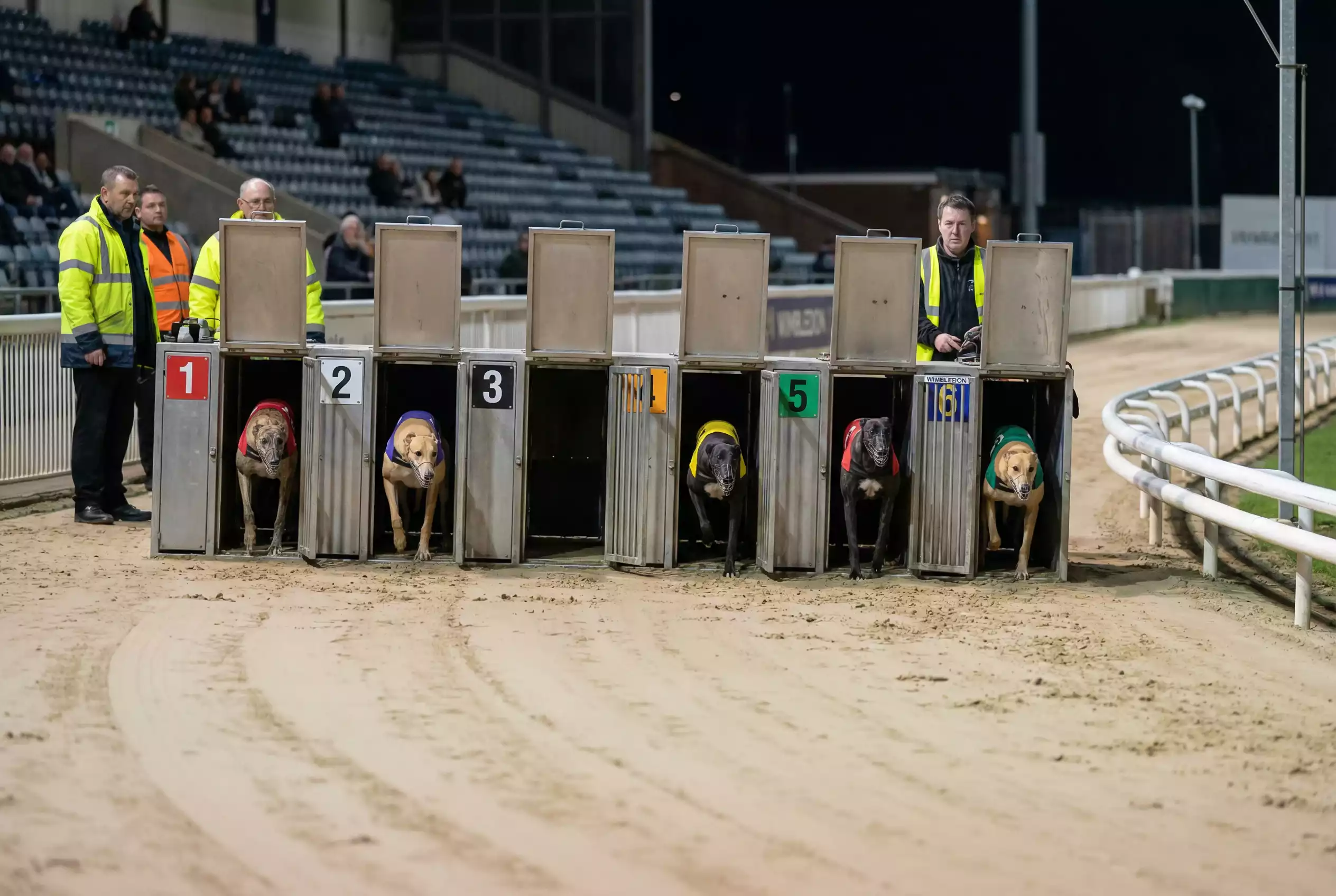
Most greyhound races feature six runners in six traps. But occasionally, a trap remains empty. Withdrawals, injuries, and administrative decisions can reduce the field, leaving one or more boxes vacant when the lids fly open. An empty box changes every calculation.
Vacant traps affect race dynamics in ways that standard trap statistics do not capture. Adjacent dogs gain room to manoeuvre. Running lines shift. The geometric assumptions underlying trap bias analysis require adjustment when fewer than six dogs contest the race.
This guide explains why traps become vacant, how empty boxes affect race dynamics, and what punters should consider when betting on races with reduced fields. Understanding vacant trap effects adds nuance to trap analysis beyond the standard six-dog assumptions.
The rules that govern it are the GBGB trap rules.
When Traps Become Vacant
Traps become vacant through several mechanisms, each governed by GBGB regulations. Understanding these rules helps punters anticipate when vacant traps may occur and how they affect the racing landscape.
Withdrawals represent the most common cause of vacant traps. A trainer may withdraw a dog before racing due to illness, injury, or unsatisfactory preparation. Withdrawal deadlines exist to ensure betting markets have time to adjust, but late withdrawals can still occur when issues emerge close to race time. When a withdrawal happens, the assigned trap remains empty rather than being reallocated to another runner.
Veterinary decisions can create vacant traps on race day. GBGB veterinarians inspect dogs before racing and may rule runners unfit to compete. A dog showing signs of lameness, illness, or other health concerns will be scratched, leaving its trap vacant. These decisions prioritise animal welfare over field composition.
Administrative issues occasionally cause vacant traps. Documentation errors, licensing problems, or kennelling irregularities can render a dog ineligible to race even when physically fit. While less common than health-related withdrawals, administrative scratches do occur and create the same vacant trap dynamics.
Failed trials may prevent a dog from taking its intended spot. Dogs must satisfy certain criteria to race, and failure to meet standards in pre-race trials can result in last-minute removal from the card. The trap remains assigned but empty.
Seasonal factors affect withdrawal rates. During winter months, respiratory illnesses become more common, potentially increasing the frequency of health-related scratches. Punters following racing during colder periods should anticipate slightly higher vacant trap occurrence.
How Vacant Traps Affect Race Dynamics
A vacant trap changes the racing geometry for every remaining runner. The effects depend on which trap is empty and how adjacent dogs respond to the additional space.
Adjacent trap advantage is the most commonly discussed effect. Dogs next to a vacant trap have more room at the break. A trap 3 dog with trap 4 vacant faces no immediate challenge from the outside. This additional space can help dogs establish preferred running lines without the crowding that occurs in full six-dog fields.
Inside vacant traps benefit adjacent runners differently than outside vacant traps. When trap 1 is vacant, trap 2 gains easier access to the rail. The usual crowding pressure from inside disappears, allowing the trap 2 dog to establish inside position more readily. When trap 6 is vacant, trap 5 has clear outside space, benefiting wide runners who no longer compete with a trap 6 dog for the same running line.
Middle vacant traps create split fields. A vacant trap 3 or trap 4 divides the remaining runners into inside and outside groups. This separation may reduce interference at the first bend because dogs are naturally spread rather than converging on the same space. The gap created by the empty box becomes available running room that adjacent dogs can exploit.
Multiple vacant traps amplify these effects. A race with two or three empty boxes features substantially different dynamics than a full field. With fewer dogs competing, individual running styles matter more relative to positional factors. The statistical expectations based on six-dog races become less applicable.
Running line adjustments occur when dogs recognise vacant space. A dog that normally runs wide may adjust its line toward available inside space. A railer with extra room may establish position more easily. These adjustments are not automatic—they depend on individual dogs recognising and exploiting the opportunity—but they represent potential shifts from expected running patterns.
First bend dynamics change with vacant traps. Less crowding generally means fewer collisions and checks. Dogs maintain momentum better when they are not fighting for position against a full field. This favours front-running dogs who can establish leads without interference, potentially disadvantaging closers who rely on trouble ahead to create opportunities.
The wider context is set out in our guide to UK greyhound traps.
Betting Implications
Vacant traps require adjustments to standard betting approaches. The trap statistics generated from six-dog races do not directly apply when the field is reduced.
Adjacent dogs become more attractive. The dog next to a vacant trap gains structural advantage that may not be fully reflected in market prices, particularly when the withdrawal occurs late and markets have limited time to adjust. Identifying these situations before odds compress offers potential value.
Reduced fields favour favourites. With fewer competitors, there are fewer potential upsets. The best dog in a five-dog field faces less interference and fewer opportunities for superior opponents to encounter trouble. Favourite win rates typically increase in reduced fields compared to full six-dog races.
Standard trap bias adjustments become less reliable. A track’s trap 1 win rate is based on six-dog races. When trap 1 faces only four opponents rather than five, the dynamics differ. Punters should treat trap statistics as directional guidance rather than precise predictions for vacant-trap races.
Void bets may apply. If you have placed a bet on a withdrawn dog, the bet becomes void and stakes are returned. Forecast and tricast bets involving withdrawn dogs may be recalculated or voided depending on bookmaker rules. Understanding your bookmaker’s policy on withdrawals prevents confusion when scratches occur.
Market efficiency varies with withdrawal timing. Early withdrawals allow markets to adjust fully. Late scratches may leave prices reflecting six-dog assumptions, creating potential value for punters who quickly recognise how the vacant trap affects remaining runners’ chances. Speed of adjustment matters when exploiting these opportunities.
Form figures from reduced-field races require careful interpretation. A dog that won easily from trap 3 with trap 4 vacant faced different dynamics than the same dog winning from trap 3 in a full field. When assessing form, note whether previous races involved vacant traps and adjust expectations accordingly. A win against four rivals may indicate less than a win against five.
Races with multiple vacant traps become increasingly unpredictable for trap-based analysis. With three or four empty boxes, the race resembles match racing more than standard greyhound competition. Form and class analysis become more important relative to positional factors when fields are significantly reduced.
Key Takeaway
Vacant traps occur through withdrawals, veterinary decisions, and administrative issues. When a trap is empty, race dynamics shift: adjacent dogs gain room, crowding decreases, and standard trap statistics become less directly applicable. An empty box changes every calculation that assumes six-dog fields.
For betting, vacant traps create opportunities when markets are slow to adjust. Dogs adjacent to empty traps gain structural advantage. Reduced fields favour favourites. Understanding these effects adds a layer of analysis that standard trap statistics do not address. Punters who recognise vacant trap dynamics can identify value that others overlook.
